Menschen, Märkte und Organisationen bewegen!
Challenge Management –
das Performance-Improvement Programm.
Steigern Sie Ihren Erfolg und Einfluss und übersetzen Sie KPI’s in Challenge Management OPI’s. Über OPI’s – Operating Performance Indicators – steuern Sie Unternehmen, das Verhalten von Menschen und bewegen Märkte und Organisationen. Erreichen Sie mit Challenge Management Ihre Ziele!
Challenge Management liefert Strategien und Werkzeuge für eine konsequente Zielorientierung. Erschaffen Sie aus Rohstoffen Ressourcen und aus Ressourcen messbare Ergebnisse.
Menschen bewegen
Das Erreichen herausfordernder Unternehmensziele braucht eine Performance Management Unternehmenskultur. Steuern Sie mit Challenge Management das Verhalten Ihrer Mitarbeiter.
Märkte bewegen
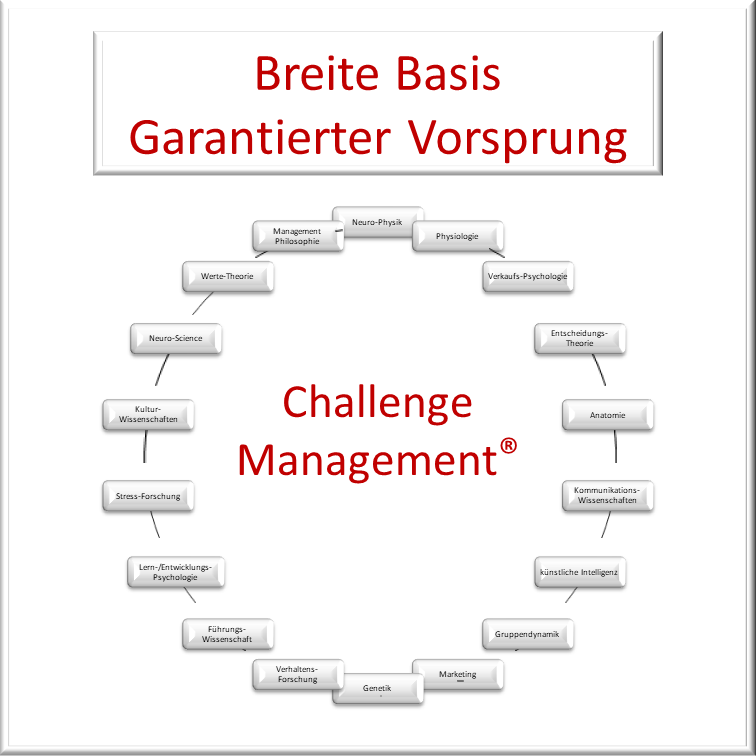
Mit unserem fundierten neuro-physiologischen Verständnis, wann Kunden kaufen erobern wir Märkte. Unser Zugang erreicht und bewegt Menschen und schafft Veränderungen, welche Erfolg möglich machen.
Organisationen bewegen
Challenge Management richtet die Organisation auf das Erreichen der Unternehmensziele aus. Mit einer Symbiose aus Management und Neuro-Wissenschaft steigern wir Effektivität und Effizienz und bewirken messbare Veränderungen.
Unser Versprechen:
das Erreichen Ihrer Ziele zählt
Menschen, Märkte und Organisationen zu bewegen, bedeutet das Verhalten von Menschen besser zu verstehen und zielgerichtet zu verändern. Challenge Management liefert eine konsequente Zielorientierung sowie ein konkretes Verständnis über das menschliche Denken und Verhalten. Damit schaffen aus Rohstoffen Ressourcen und aus Ressourcen messbare Ergebnisse.
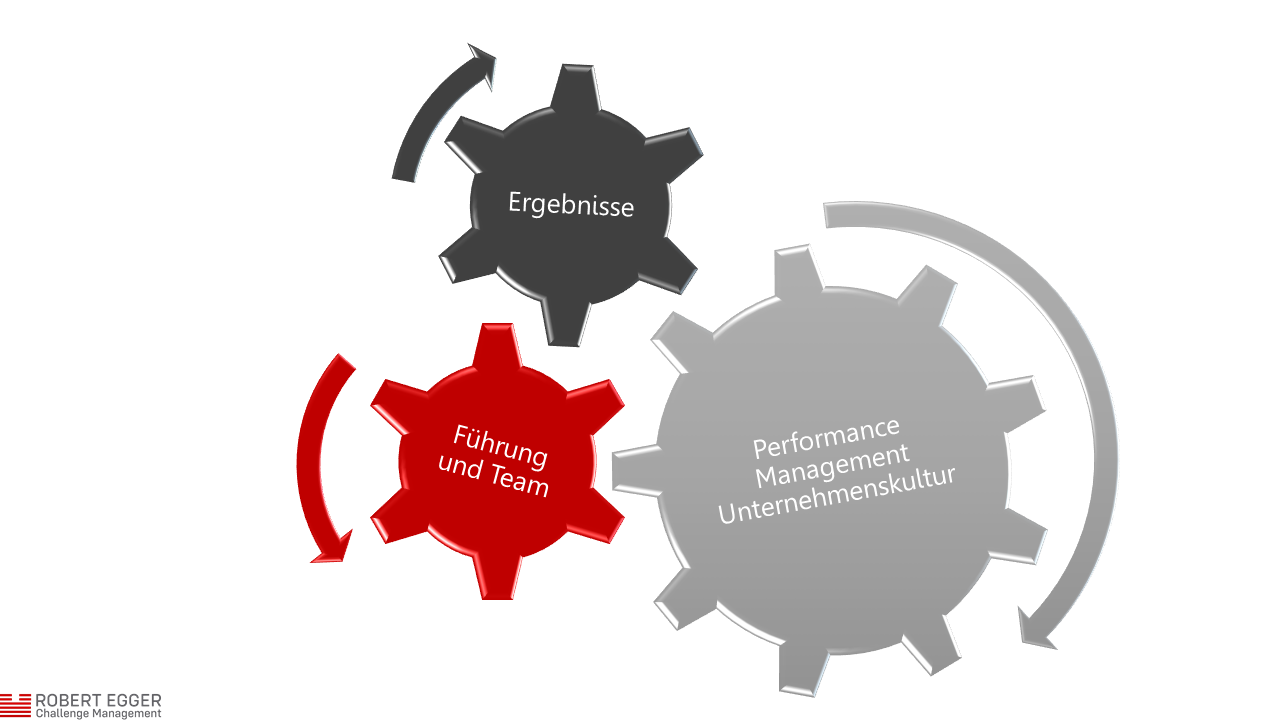
Challenge Management betrifft alle Bereiche
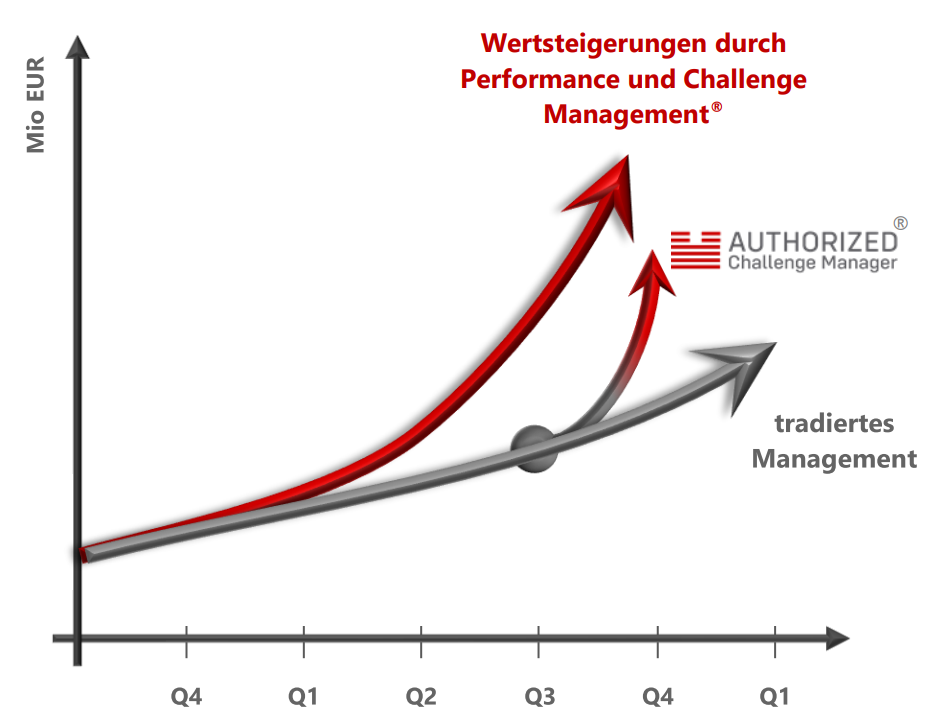
Wenn Technologie und Gesellschaft sich schneller verändern als Unternehmen in der Lage sind, sich daran anzupassen, kommt es wie in der Evolution zum Aussterben, sprich “adapt or die”. Mit Challenge Management stellen Sie Ihrem Unternehmen jenes Know How und jene Leistungen und Werkzeuge zur Verfügung, damit die wirtschaftliche Wertschöpfung und die Wettbewerbsfähigkeit steigt.
Challenge Management macht aus Rohstoffen Ressourcen und transformiert sie in ökonomische Werte.